When a commercial tenant moves out, the focus usually shifts quickly to getting the space ready for the next tenant. In many cases, that means organising end-of-lease make-good works so the tenancy can be presented properly for leasing inspections, photography, and handover discussions.
While people often think about painting, flooring, and cleaning first, wall and ceiling repairs are often one of the biggest factors affecting how a tenancy actually looks once it is empty. This is where commercial plastering and reinstatement work become important, especially in spaces that have been altered multiple times over the years.
We regularly see commercial tenancies left with damaged walls, patched ceilings, removed partition lines, service penetrations, and visible defects after a tenant vacates. These issues may seem minor at first glance, but they can affect presentation, slow down re-leasing, and create extra costs if they are handled too late or done as rushed patch jobs.
This guide explains what landlords, property managers, and builders should know about make-good plastering work before re-leasing a commercial tenancy.
What Is End-of-Lease Make-Good?
End-of-lease make-good is the process of restoring a commercial tenancy to the condition required under the lease agreement. For retail tenants in NSW, the Small Business Commission’s Retail Tenancy Guide explains typical obligations, such as removing fit-outs to base building or bare shell and repairing beyond “fair wear and tear”. The goal is to return the space in a condition that is usable, presentable, and compliant with lease provisions.
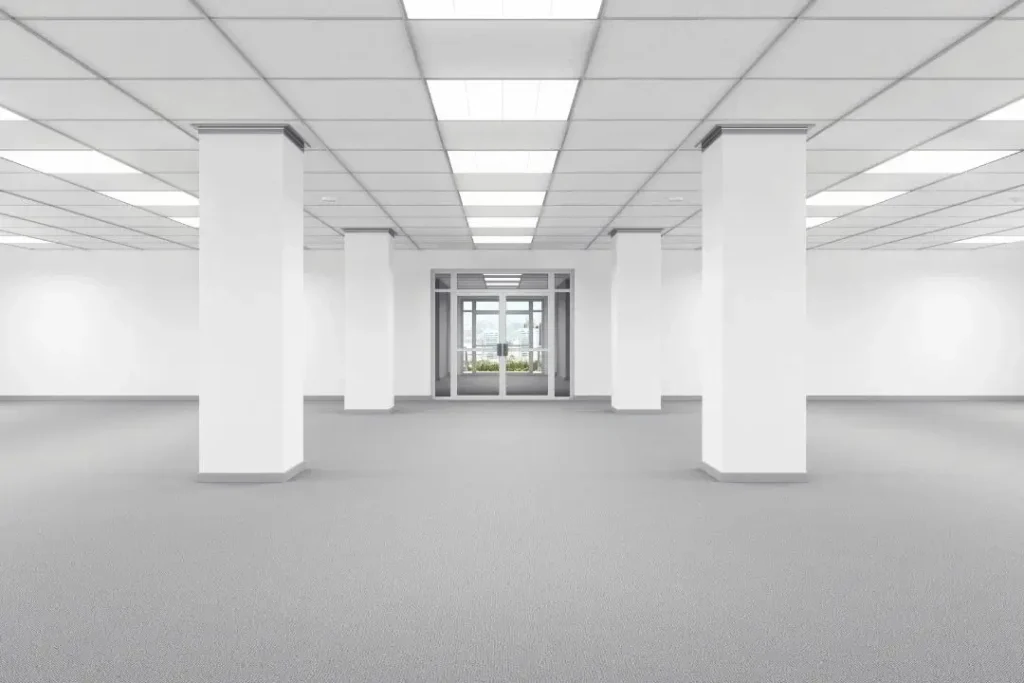
In practical terms, make-good work often includes removing tenant-installed items, repairing damage left behind, and reinstating internal surfaces so the tenancy no longer shows obvious signs of the previous occupant’s layout or fitout changes. Even when the tenant is responsible for make-good under the lease, landlords and property managers still often end up dealing with defects, incomplete works, or time pressure before the tenancy is genuinely ready to re-market.
Common Plastering Tasks
Common make-good plastering-related works can include:
- Patching walls and ceilings after fitout removals
- Repairing holes from shelving, signage, and wall-mounted fixtures
- Fixing service penetrations from electrical, data, plumbing, or HVAC changes
- Reinstating damaged plasterboard and internal linings
- Setting and sanding repaired areas ready for painting
Why Plastering Matters During Make-Good
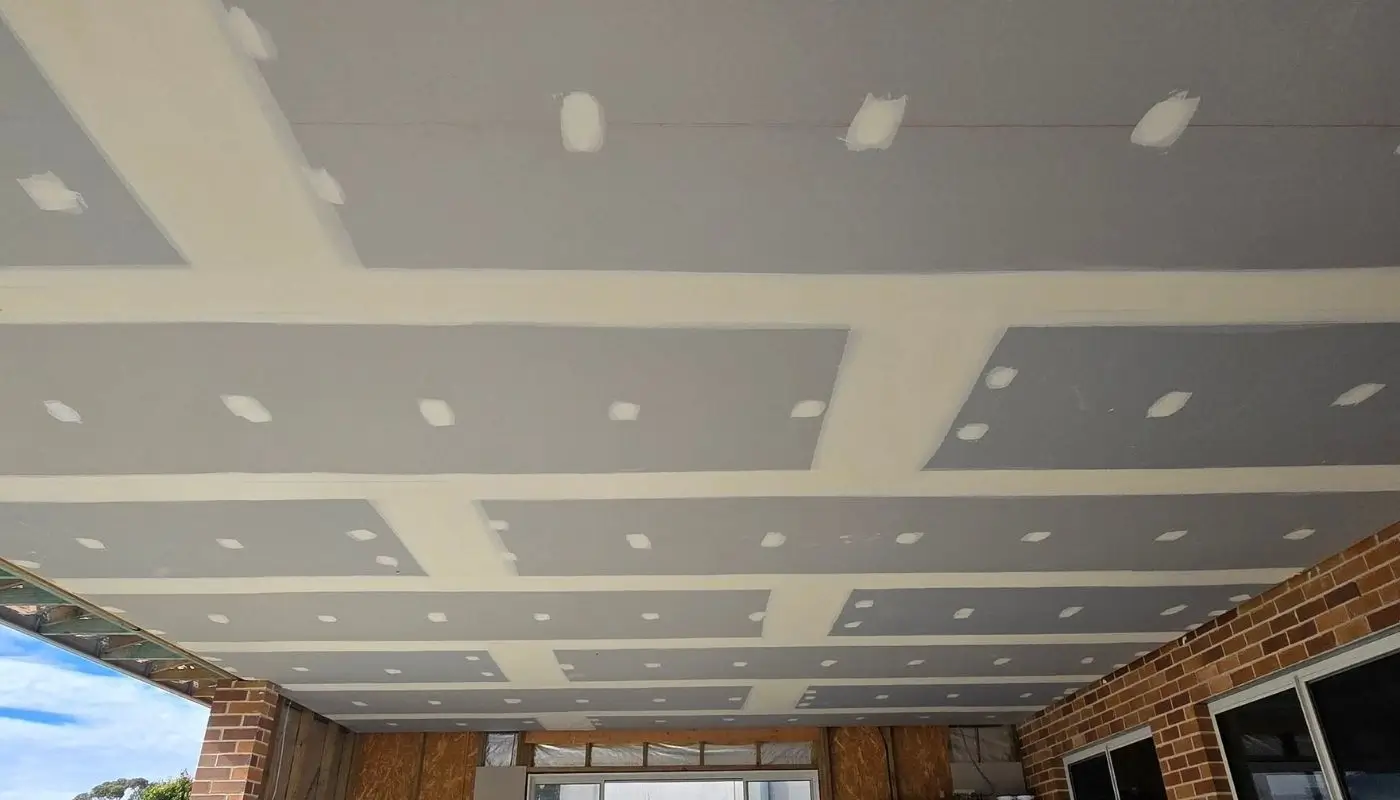
Plastering is one of the most visible parts of a make-good outcome because walls and ceilings take a lot of wear over the life of a tenancy. A space can be structurally sound and still look poorly presented if there are obvious patch marks, cracked repairs, uneven surfaces, or damaged ceiling sections left exposed.
This matters because prospective tenants notice presentation straight away during inspections. In office suites, retail tenancies, medical spaces, and showroom environments in particular, rough wall and ceiling repairs can make the space feel tired and poorly maintained, even if the overall building is in good condition.
Good plastering and reinstatement work helps restore a cleaner, more consistent appearance so the tenancy looks ready for the next tenant rather than looking like a half-finished strip-out.
Common Plastering Issues We See After a Tenant Vacates
Commercial tenancies often go through multiple fitouts over time, and the walls and ceilings usually carry the history of those changes. One of the most common issues is damage left behind after partition walls are removed, where you can end up with damaged joins, mismatched surfaces, and visible repair lines in both wall and ceiling areas.
We also regularly see ceiling damage after service changes. Lighting, cabling, HVAC alterations, and other upgrades can leave holes or patchy sections that need proper reinstatement if the ceiling is going to look clean again under office lighting.
Older tenancies often have repeated patching from previous occupants as well. These patch-on-patch repairs may not stand out much before repainting, but once fresh paint goes on and lighting hits the surface, the defects can become much more obvious during inspections.
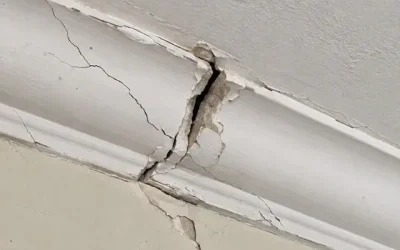
Water-damaged plasterboard is another common issue, particularly where there have been past roof leaks, plumbing leaks, or air-conditioning problems. In those cases, the area may need more than a cosmetic patch to achieve a durable, tenancy-ready finish.
Why Quick Patch Jobs Can Cost More Later
When a tenancy needs to be turned around quickly, it is understandable that owners or managers may want the fastest and cheapest repair option. In some situations, a simple patch and paint is perfectly fine, especially if the damage is minor and isolated.
The problem is when larger or repeated damage is treated the same way. If there have been multiple fitout changes, partition removals, or service alterations over the years, rushed patching can leave a result that looks acceptable from a distance but becomes obvious during inspections or after painting.
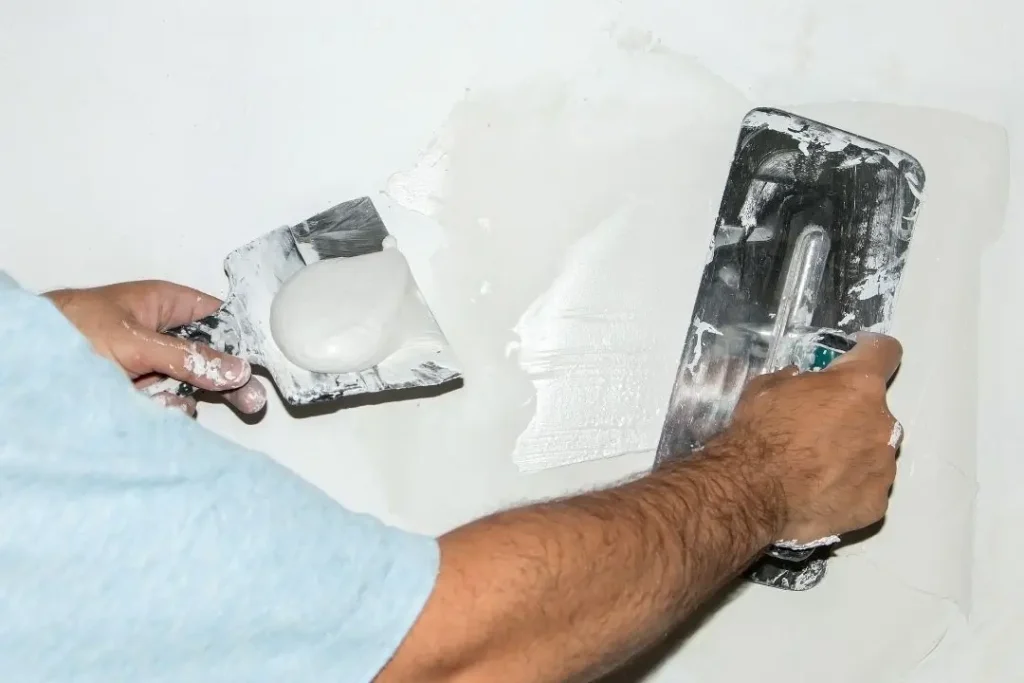
This can create a frustrating cycle where the tenancy is cleaned and presented, then defects are noticed, then trades need to come back to redo sections. By that point, the original “saving” often disappears because you are paying twice and working under leasing pressure.
The goal is not to overcapitalise on a vacated tenancy. The goal is to carry out the right reinstatement work the first time so the space presents properly and does not create avoidable delays.
How Better Reinstatement Work Supports Re-Leasing
Plastering plays a major role in how smoothly the re‑leasing process runs. Clean wall and ceiling finishes make a noticeable difference in leasing photos and first impressions. Recent commentary from CBRE on Australian office markets notes strong demand for fitted, ready-to-occupy suites, particularly in smaller tenancies, as occupiers look to minimise capital outlay and disruption when leasing new space. This reinforces the importance of high-quality internal finishes, including plastering, in attracting tenants.
When reinstatement work is completed properly, it also helps other trades do their work more efficiently. Painters, for example, can achieve a much cleaner final finish when surfaces have been repaired and prepared correctly, rather than trying to work over rushed or uneven patching.
From a practical point of view, better make-good plastering can help reduce rework, improve presentation, and make the re-leasing process more straightforward. For landlords and property managers, that often means a better chance of getting the tenancy back on the market without unnecessary hold-ups.
When to Organise a Commercial Plasterer for Make-Good Works
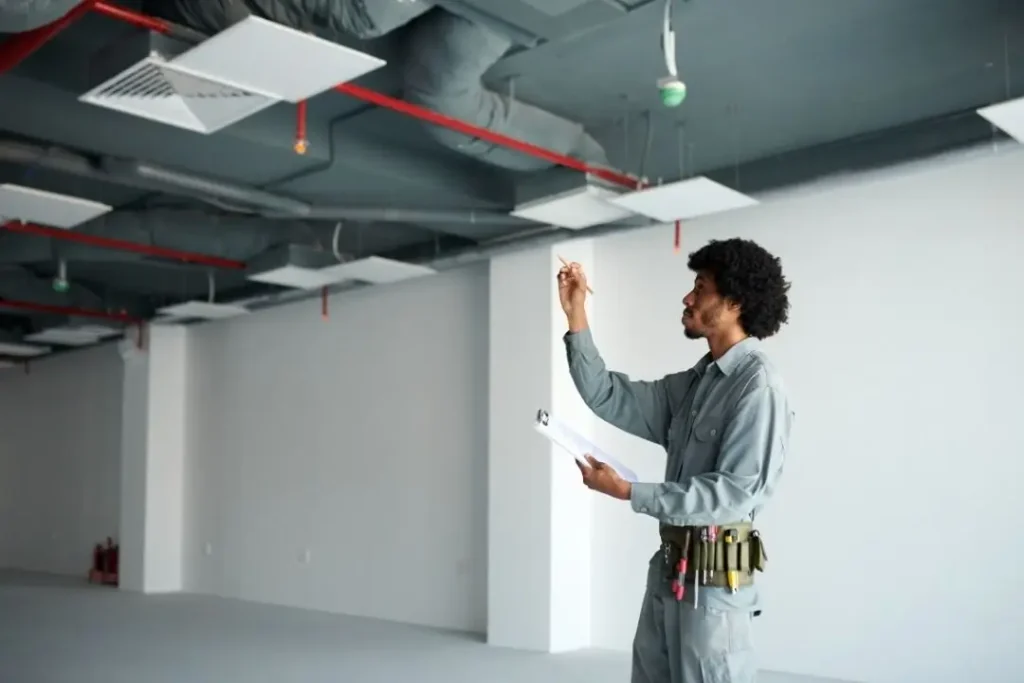
The best time to organise plastering for make-good is usually before the tenancy is being actively shown, not after defects have already been noticed during inspections. Early inspection and scoping give you a better idea of what can be patched, what may need relining, and how the work should be sequenced with painting and other trades.
It is worth arranging a plastering inspection when a tenant has given notice and vacate planning has started, when fitout strip-outs are underway, or when you already know there will be partition removal and service penetration repairs. It is also a good idea where ceilings have visible patching, water damage, or multiple defects that will become obvious once the tenancy is empty and well-lit.
If the tenancy needs to be prepared for photography, leasing inspections, or a quick turnaround to market, early plastering scope and scheduling usually produce a cleaner result and fewer delays.
What to Look For in a Commercial Make-Good Plastering Contractor
Commercial make-good work is different from small residential patch repairs. There are often tighter deadlines, larger areas, multiple trades on site, and higher expectations around finish consistency, especially in spaces that are about to be marketed to new tenants.
When choosing a contractor, it helps to work with a team that understands commercial reinstatement and can clearly advise on whether patching is suitable or whether replacing sections will provide a better result. Good communication also matters, particularly when the work is being coordinated through a property manager, builder, or site supervisor.
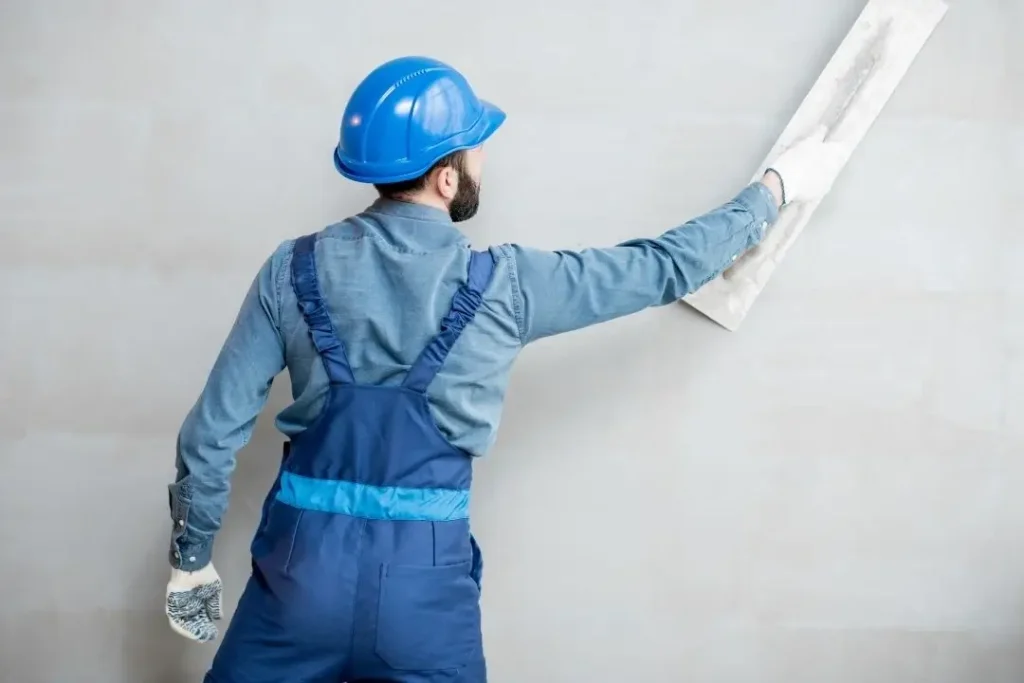
If you are preparing a vacated tenancy in Sydney, our commercial plasterers in Sydney can assist with make-good repairs, wall and ceiling reinstatement, and tenancy-ready internal finishes. Where damage is more extensive, a full Gyprock installation service may be the better option than repeated patching, especially if the goal is a clean and consistent finish before re-leasing.
Practical Tips to Improve Make-Good Outcomes
If you are a landlord, property manager, or builder coordinating end-of-lease works, a few practical steps can make the process smoother and help reduce rework.
Inspect Early and Scope Properly
Do not wait until the tenancy is empty and ready to list before looking closely at the walls and ceilings. An early inspection makes it easier to identify likely plastering and reinstatement requirements while there is still time to plan the sequence of works.
Group Repairs Instead of Ordering One-Off Patches
Bundling wall and ceiling repairs usually creates a better visual result than arranging several small patch jobs over different visits. It also helps with consistency across the tenancy, especially once painting is completed.
Coordinate Plastering With Painting
Plastering and painting should be planned together wherever possible. This helps avoid mismatched expectations around finish quality and reduces the risk of repeated prep work or delays between trades.
Check Ceiling Areas Closely
Ceiling defects are easy to miss at first glance, particularly around old service penetrations or previous lighting changes. Once the tenancy is empty and the lights are on, these areas can become much more noticeable.
Prioritise High-Visibility Areas
Reception spaces, entry points, corridors, and front-of-tenancy zones usually have the biggest impact during inspections. Making sure these areas are included in the repair scope can noticeably improve presentation.
Getting the Tenancy Ready for the Next Tenant
End-of-lease make-good is not only about closing out the previous tenancy. It is also about setting up the space so the next leasing campaign runs more smoothly and the tenancy presents as clean, functional, and ready for occupancy.
When wall and ceiling reinstatement is handled properly, the tenancy generally photographs better, painting outcomes improve, and there is less risk of defects becoming a distraction during inspections. That can make a real difference when you are trying to reduce downtime between tenants. If you are dealing with a vacated commercial tenancy and need help scoping plastering repairs or reinstatement works, contact us today on (02) 8000 1202 to inspect the site and recommend the most practical approach for a clean, tenancy-ready finish.