On paper, commercial and residential plastering jobs look almost identical, but on site, they operate very differently. From drawings and specifications alone, the scope can appear straightforward. What changes is how the work is delivered. Compared to residential plastering, commercial plastering services involve different planning, sequencing, and coordination requirements that influence how the job progresses from installation through to completion. These differences are what separate commercial plastering from residential work, even when the materials are mostly the same.
Below is a closer look at the key differences and how they influence delivery on site.
Commercial vs Residential Plastering: The Differences That Impact Delivery
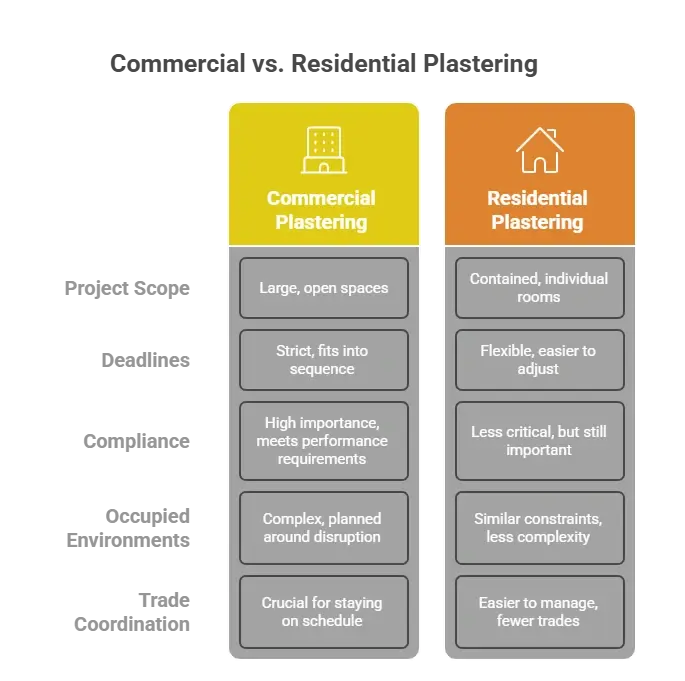
Project Scope and Complexity
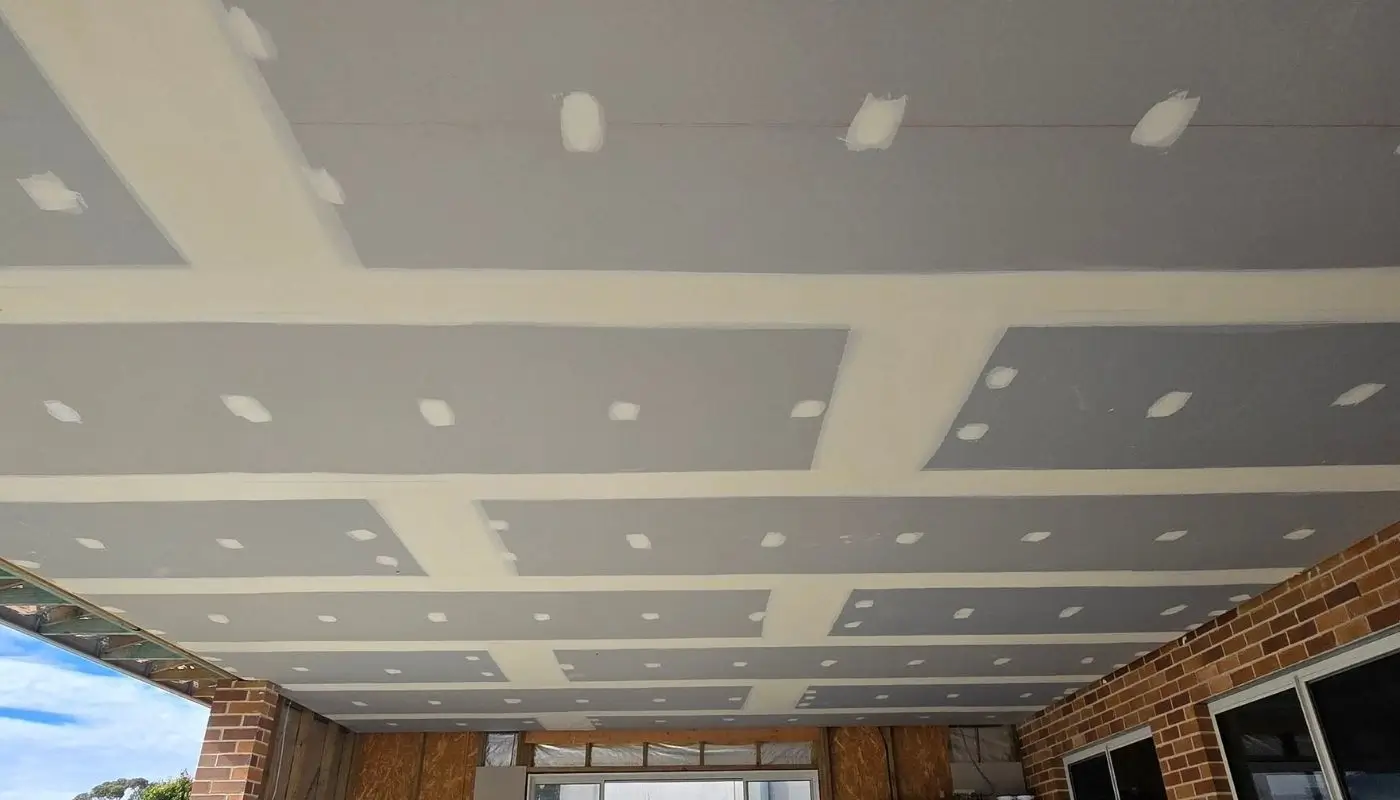
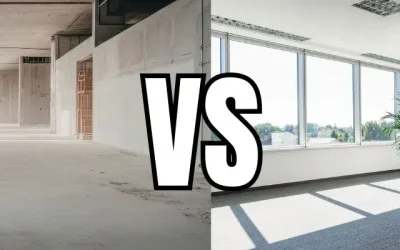
Commercial plastering is typically delivered across much larger and more open spaces. Entire floorplates, long corridor runs, and repeated wall and ceiling systems require constant installation across wide areas. Due to this scale, even minor inconsistencies can become more visible when repeated across large sections of the project.
By comparison, residential work is more contained. Work is typically completed within individual rooms, where wall and ceiling areas are smaller and broken up by doors, windows, and layout changes. This makes the installation easier to manage and any issues are usually limited to a smaller section of the home.
Deadlines and Programme Pressure
On commercial sites, plastering work needs to fit into a defined sequence so that ceiling installation, painting, joinery, and other finishing stages can follow. If plastering falls behind, it can slow down everything that comes after it. In residential projects, the schedule is easier to adjust since tasks can be shifted if access or timing changes.
Compliance and Specialised Systems
Specialised plasterboard systems such as fire-rated, acoustic, moisture-resistant, and impact-resistant linings can be used in both commercial and residential spaces. But these systems carry greater importance in commercial environments, where areas often need to meet defined performance requirements. Installation must follow the specified system closely so the work passes inspection and meets the requirements of the National Construction Code.
Working in Occupied Environments
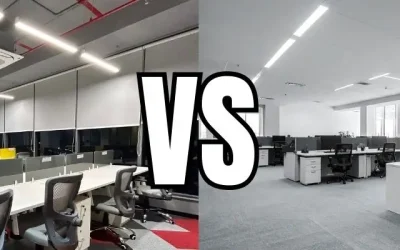
Many commercial plastering projects take place in buildings that are occupied by others, such as offices, retail spaces, or active tenancies. That means the work needs to be planned around dust and noise control, safe access, and limited work windows, while keeping disruption to a minimum for staff, customers, and other tenants. Residential plastering can involve similar constraints too, especially in apartments and unit blocks where neighbours are close by, access is controlled, and common areas need to be protected. The difference is that commercial environments more often add extra layers of complexity, like trading hours, building management requirements, and stricter safety guidelines.
Trade Coordination
Trade coordination is closely tied to how commercial projects stay on schedule. Plastering needs to be completed at the right stage so ceiling installation, painting, joinery, and other finishing work can continue without delays. In residential projects, fewer trades are usually working at the same time, and the work is often completed in smaller sections, which makes the sequence easier to manage.
Why Commercial Plastering Experience Matters
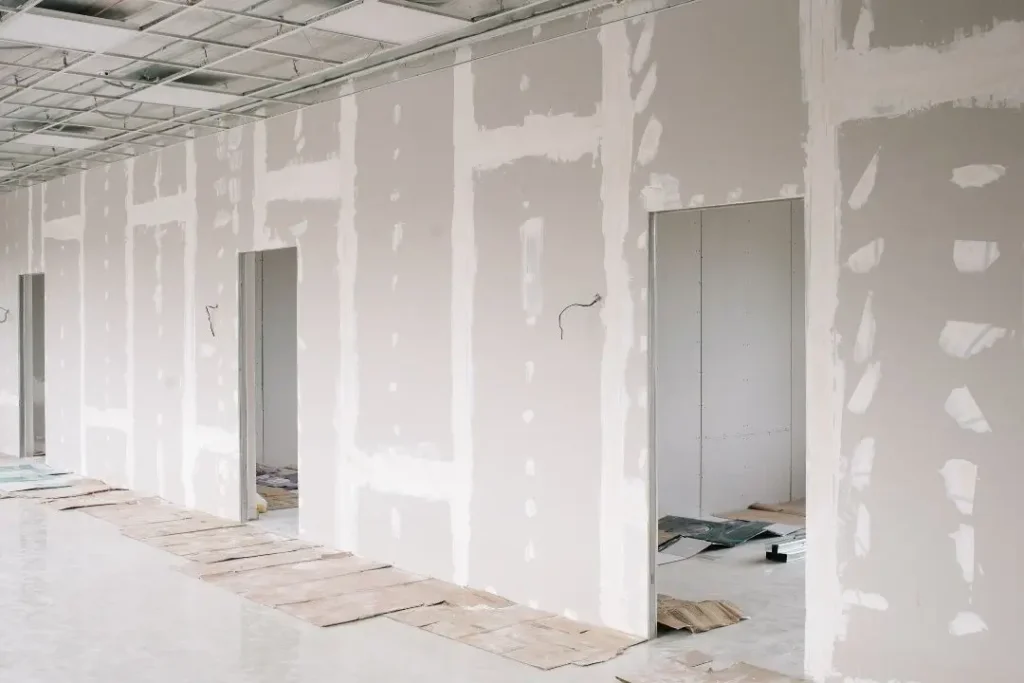
Commercial plastering is carried out as part of a larger construction schedule, where each stage needs to be completed in the right order. Experience working in offices, retail spaces, and apartment buildings ensures wall and ceiling systems are installed properly, the sequence of work stays on track, and finishes remain consistent across large areas. This reduces the risk of delays, failed inspections, and rework that can slow down handover and tenancy access.
When selecting a plastering contractor in Sydney for commercial work, it helps to look for:
- Experience with fitouts, make-goods and tenancy reinstatement
- Familiarity with fire-rated, acoustic, and other specialised plasterboard systems
- Ability to work within project schedules and staged handovers
- Clear coordination with builders and other trades
- Consistent finish quality across large spaces
Working with a team experienced in commercial environments keeps the project moving and allows the space to be handed over ready for use.
Applying the Right Standards to Each Environment
In conclusion, residential and commercial plastering may use many of the same materials, but the way the work is delivered is very different. Larger spaces, fixed build schedules, and shared work areas mean installation needs to be properly planned so other stages of the project can continue without delays or rework. When plastering is carried out correctly, it supports smoother progress across the build and leads to more consistent finishes at handover.
If you’re planning an office fitout, retail make-good, or commercial project in Sydney and need plastering carried out as part of the build, contact us on (02) 8000 1202 to arrange a free site inspection, itemised quote and discuss the most practical approach for your project.