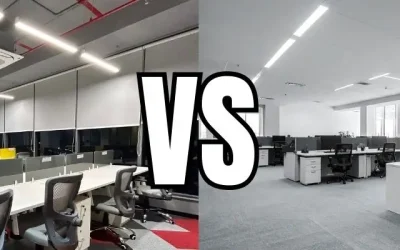
In the Sydney commercial market, the line between a Landlord’s “Warm Shell” and a Tenant’s fitout is where budgets often go to die. On paper, the split is simple. In practice, the “handshake” between these two scopes is a notorious source of variations, disputed back-charges, and handover delays. For project managers and estimators, the challenge isn’t just knowing who pays, it’s ensuring the transition between the two scopes is seamless.
This is a constant factor across commercial spaces in Sydney, from high-rise offices to retail strips. If the interface between the base build and the fitout isn’t clearly defined, plastering works quickly fall into a “grey area.” This post breaks down the professional distinction between base build and tenant fitout plastering and how to manage the scope gaps that affect your bottom line.
What is Base Build Plastering?
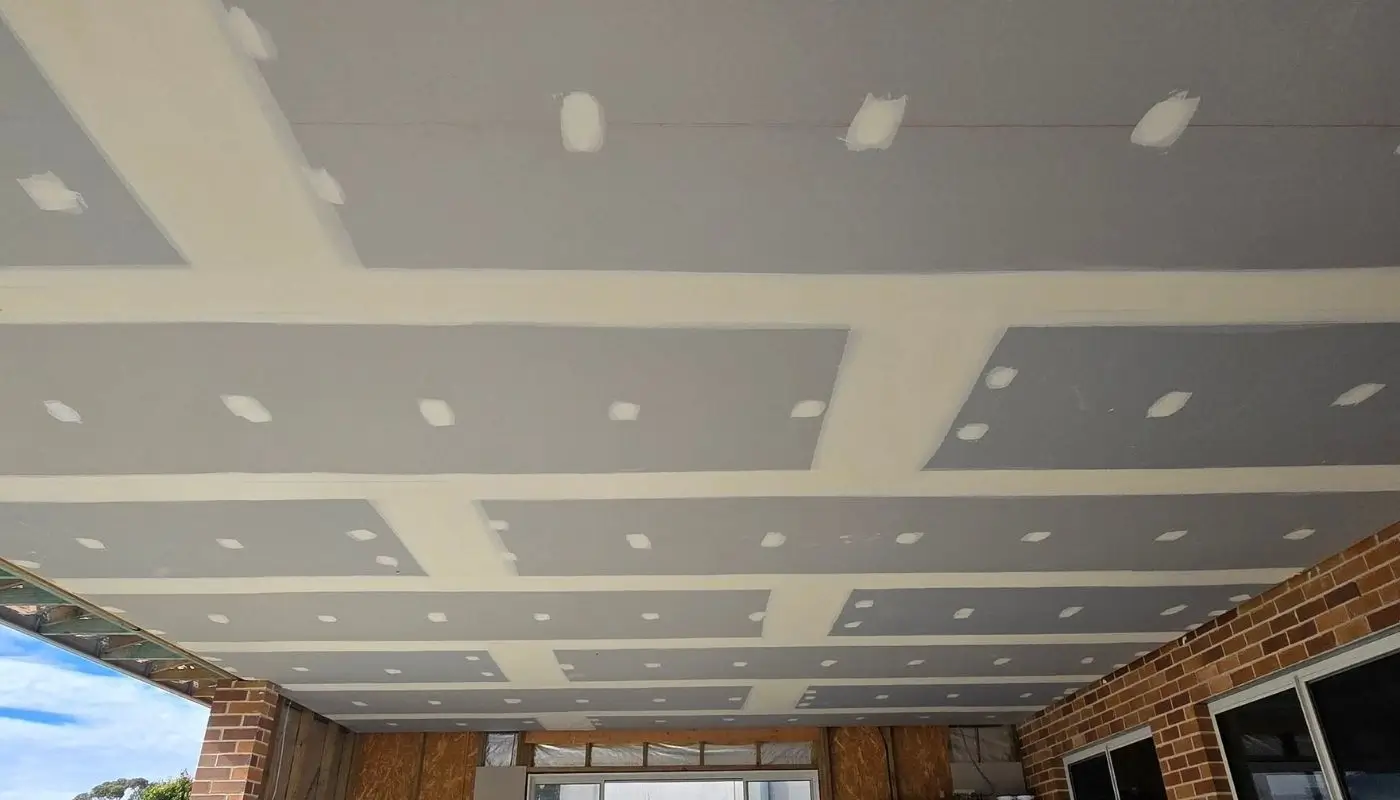
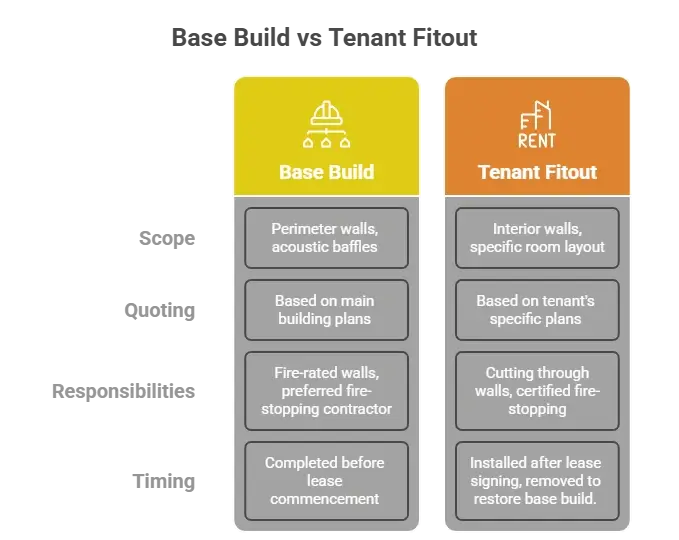
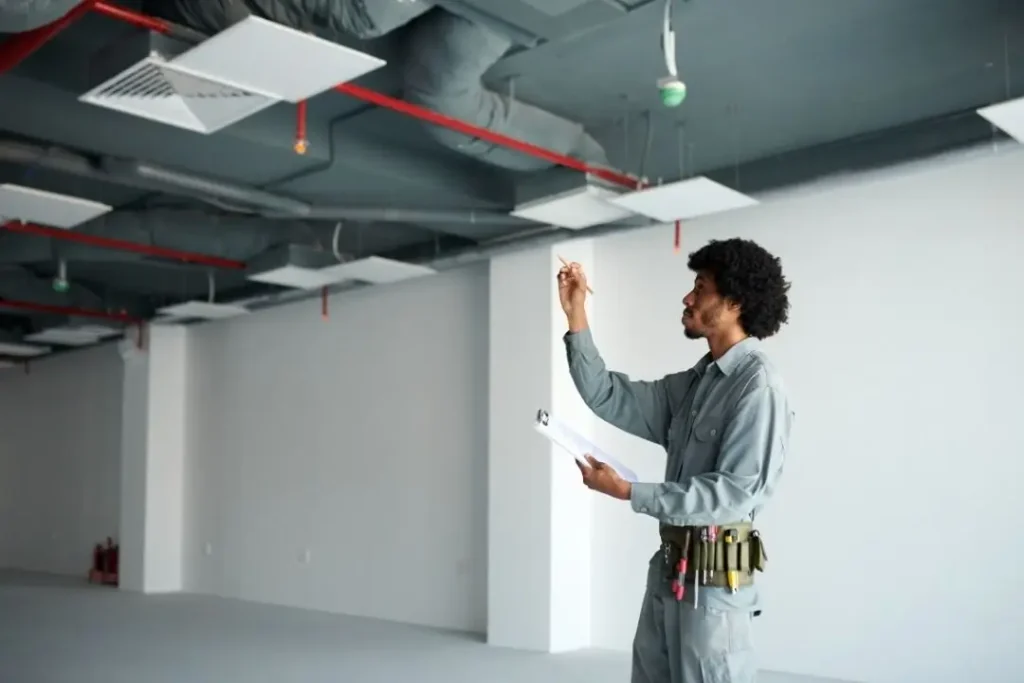
Base build plastering refers to the structural and compliance-driven works completed by the landlord to deliver a tenancy in its shell condition. This typically includes the fire-rated perimeter walls, acoustic boundary partitions, and the encasement of structural columns. The goal at this stage is to provide a compliant, “leasable” volume—not a functional workplace.
At the base build stage, the tenancy is a blank canvas. The focus is on the “bones”: ensuring the fire-rating of the building is intact and the boundary walls meet the required decibel (dB) ratings. These works are performed to the landlord’s specifications, usually finishing at a “Standard Level 4” to allow for future tenant modifications.
What is Tenant Fitout Plastering?
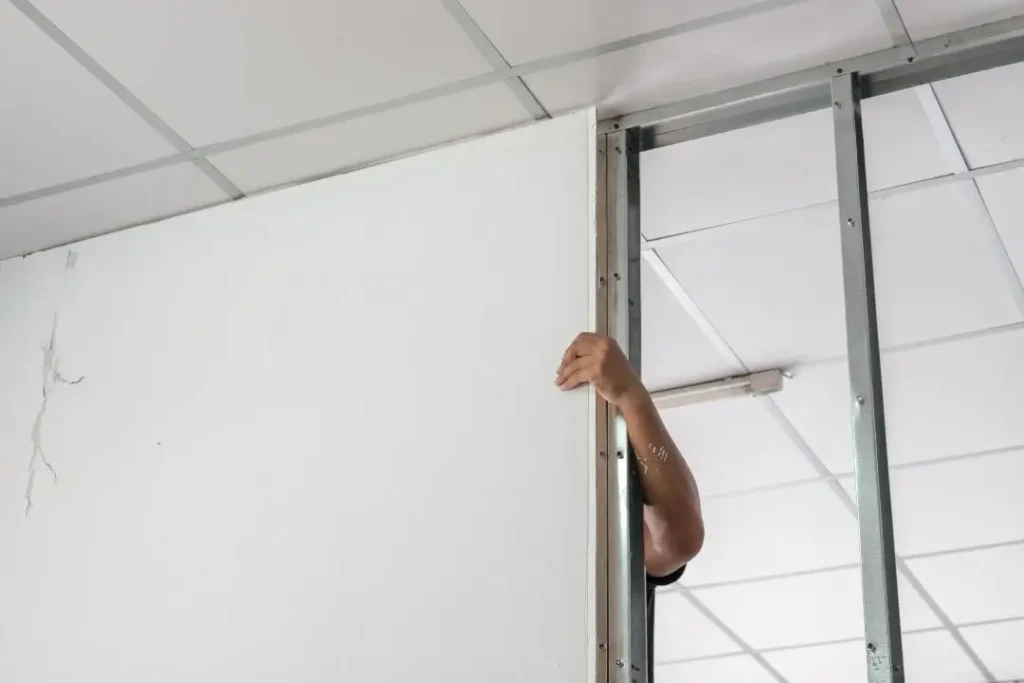
Tenant fitout plastering is the surgical installation of internal architecture once the lease is signed. This is where the functional environment is created, including internal office partitions, consultation rooms, feature bulkheads, and acoustic ceilings. These works are driven by the tenant’s specific layout and are usually executed by a specialist shopfitter or fitout builder.
Unlike the base build, fitout plastering is a game of coordination. It must weave around pre-existing services like HVAC, fire sprinklers, and electrical runs. This stage turns the “shell” into a brand-aligned space, often requiring higher levels of finish (Level 5) or specialised moisture-resistant/impact-resistant boards depending on the use case, such as medical or hospitality environments.
Base Build vs Tenant Fitout: Why the Difference Matters
Scope: The Interface and Acoustic Continuity
The “grey area” usually exists where the new fitout wall meets the landlord’s existing perimeter. If the base build walls aren’t perfectly plumb or if the acoustic baffles above the ceiling grid weren’t part of the landlord’s scope, the fitout builder often faces unexpected remedial costs. Understanding where one wall ends and the next begins is vital for maintaining acoustic integrity between tenancies.
Quoting: Avoiding the “Unexpected Extra”
The Landlord’s price is based on the building’s main plans, while the Tenant’s price is based on their own specific room layout. Problems happen when the Tenant’s plans assume the Landlord has already put things inside the walls—like timber “noggings” (internal supports) for heavy wall-mounted TVs or extra bracing for fancy hanging ceilings. If those supports weren’t part of the Landlord’s original build, the Tenant’s builder will have to charge extra to install them. Finding these gaps during the quoting stage prevents expensive Day 1 surprises.
Responsibilities: Service Penetrations and Fire-Stopping
During a fitout, trades will inevitably cut through the landlord’s fire-rated base build walls to run cables or pipes. A major point of contention is who is responsible for the certified fire-stopping of these holes. While the fitout builder creates the mess, the landlord often has a preferred fire-safety contractor. Defining this responsibility early prevents “finger-pointing” during the final occupancy certification.
Timing: The Make-Good Liability
This distinction is most critical at the end of a lease. Most Sydney commercial agreements include a “Make-Good” clause, requiring the tenant to strip the space back to its original base build condition. This means the tenant is financially responsible for the demolition of all internal plastering they installed. Knowing exactly what was “base build” ensures the tenant doesn’t accidentally pay to demolish the landlord’s own walls—or get charged for not removing their own. You can check out our post for more info on typical make good plastering works for commercial tenancies.
Quick Checklist to Avoid Scope Confusion
To ensure your plastering package is airtight, confirm these details:
- Acoustic Seals: Confirm if internal partitions stop at the ceiling or go “slab-to-slab.”
- Level of Finish: Does the base build finish (Level 4) support the tenant’s final wall finish (e.g., high-gloss paint or delicate wallpaper)?
- Access Panels: Identify who provides and installs access panels for landlord services (valves, dampers) located behind new tenant walls.
- Structural Support: Ensure the base build walls are rated to support the weight of any new tenant bulkheads or heavy joinery.
- Fire-Stopping: Define who is responsible for certifying penetrations made to the landlord’s fire-rated boundaries.
Final Takeaways
The difference between base build and fitout plastering isn’t just about who signs the cheque; it’s about where the liability and the “handshake” between two different construction phases occur. A successful project requires identifying these scope gaps during the design and quoting phase, long before they become expensive problems on-site.
If you’re managing a base build delivery or a high-end tenant fitout and need a commercial plasterer Sydney builders and shopfitters trust, we work closely with your team to ensure the plastering scope is delivered in line with your drawings and project requirements.Need a gap-free quote for your next project? Call us on (02) 8000 1202 or reach out to discuss your specific scope of works.